
Industrial Absorbents for Oil, Chemical & Universal Spill Response
Fast-acting absorbent pads, rolls, socks and pillows for industrial spill cleanup. JCEntrep stocks a full range of SpillGuard absorbents suited for warehouses, workshops, fuel depots and chemical handling areas throughout South Africa.

SHOP BY TYPE
%20%E2%80%93%20Superior%20Oil%20Spill%20Cleanup%20Solution13_compressed.webp)


Featured Absorbents





Choosing the Right Absorbent for Your Application
South African regulations require facilities that store or handle hazardous liquids to have appropriate spill response equipment on hand. A properly equipped spill kit reduces environmental impact, protects workers and keeps your site compliant with NEMA and OHS requirements.
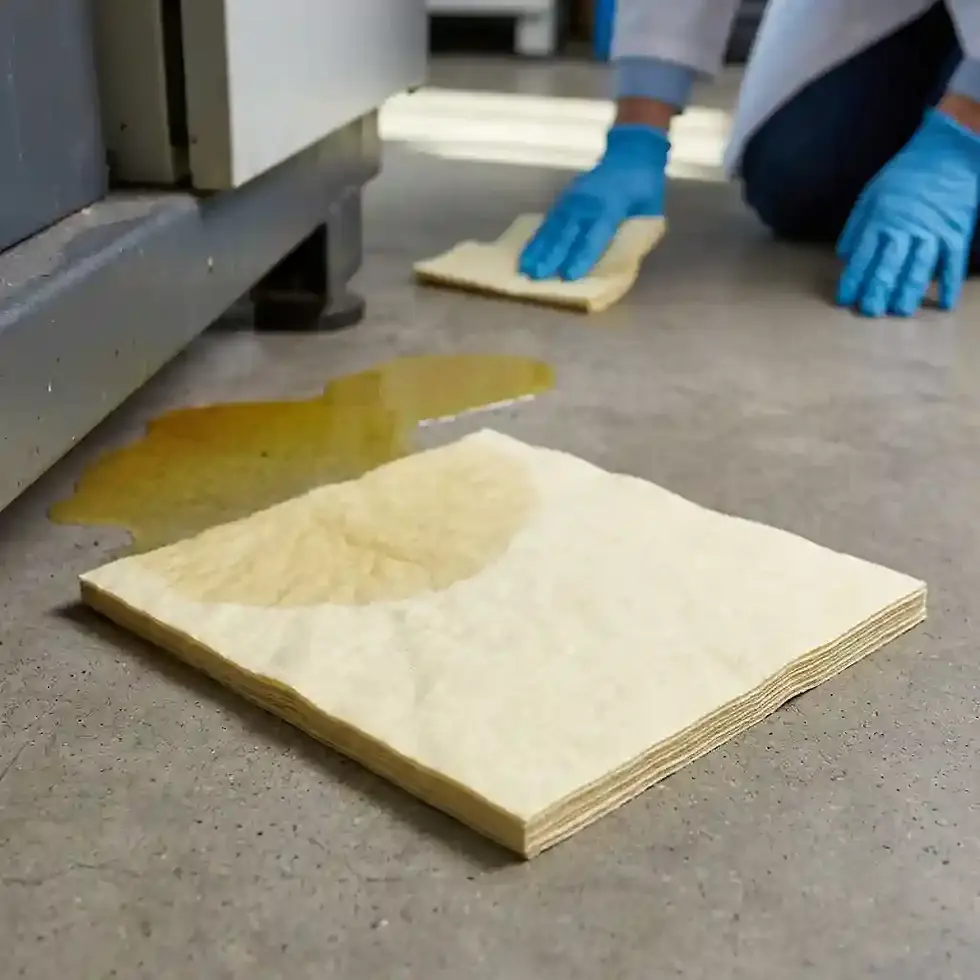
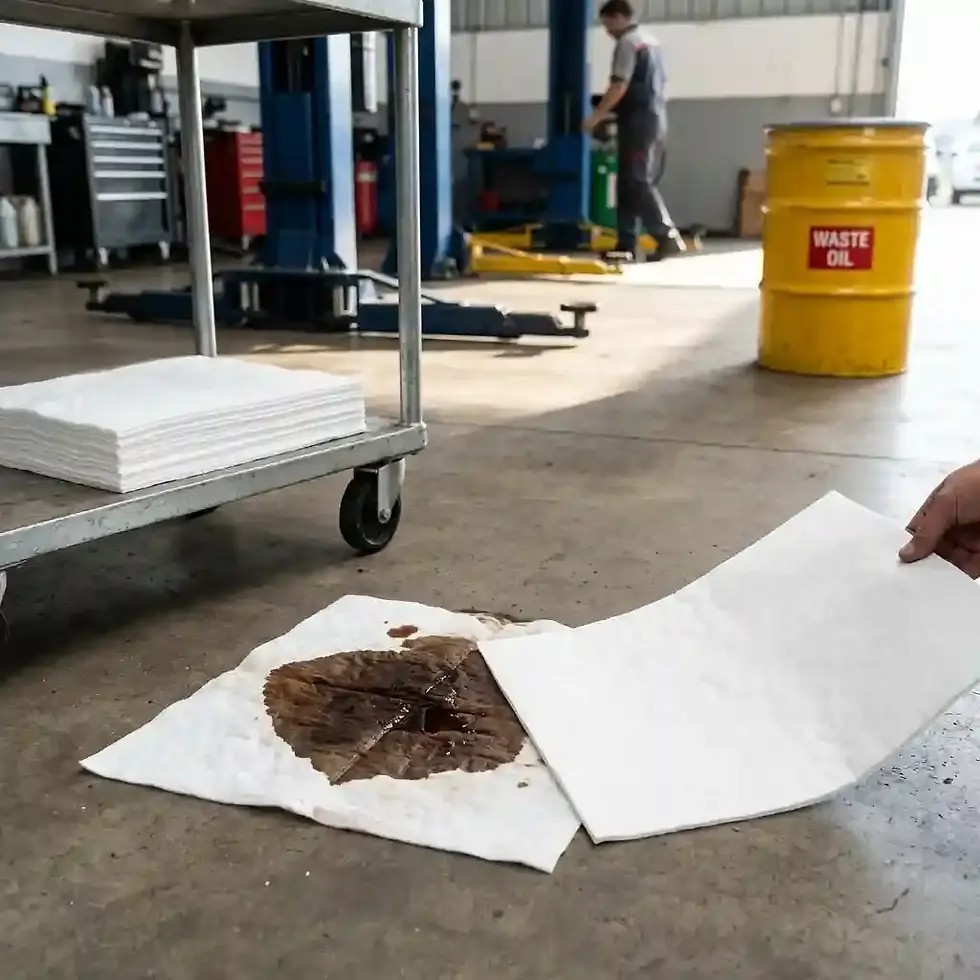
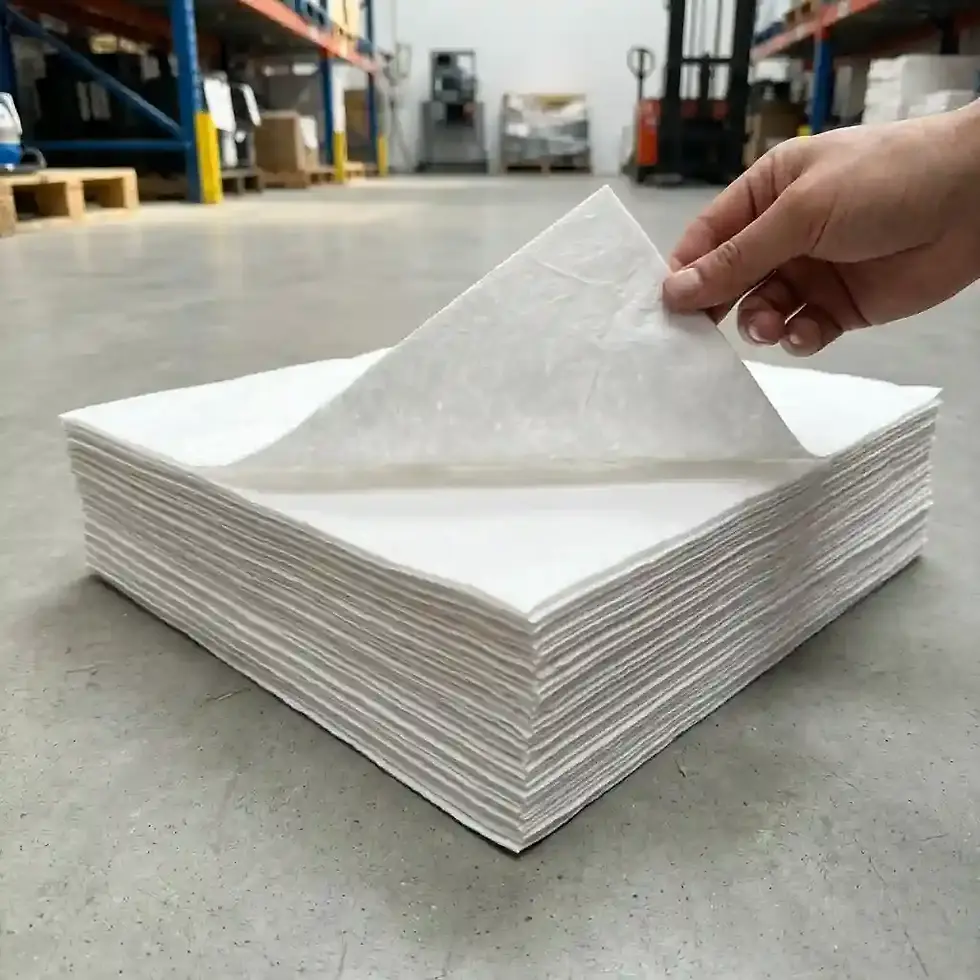
Ideal for quick response to leaks, drips and spills. Absorbent pads are commonly used around machinery, workshops, fuel storage areas and chemical handling facilities.
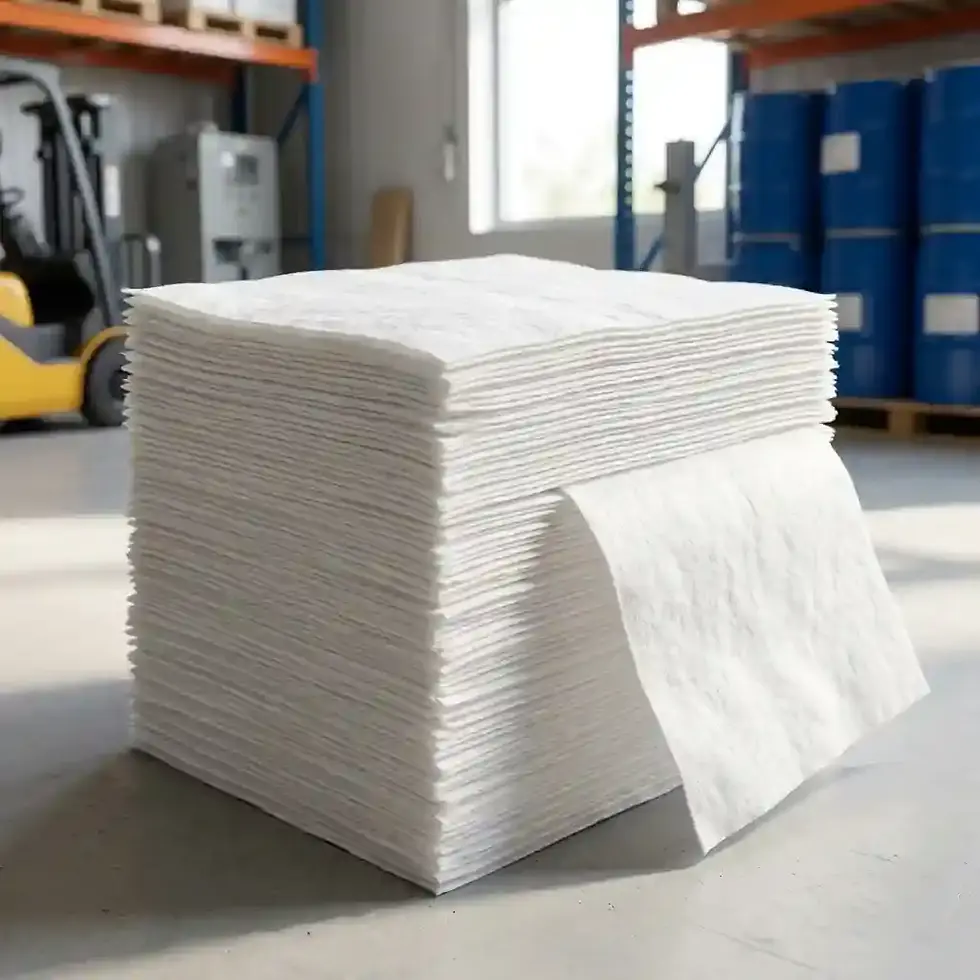
Designed for larger floor areas and ongoing spill protection. Rolls can be cut to size and are perfect for walkways, maintenance areas and production environments.
Absorbent Socks
Flexible containment barriers that help prevent spills from spreading. Ideal for surrounding machinery, drums, drains and hazardous liquid storage areas.
A fast-acting loose absorbent material used to quickly soak up oil, fuel, chemical and general liquid spills. Particularly effective on uneven surfaces, workshops, warehouses and outdoor spill incidents.
Keep your spill kits fully stocked and ready for emergency use with replacement absorbents, disposal bags and other essential spill response consumables.
Frequently Asked Questions
What absorbent should I use for oil and fuel spills? Oil and fuel spills can be managed using absorbent pads, rolls, socks or absorbent scatter, depending on the size and location of the spill. Our team can help recommend the most suitable solution for your application.
How do I dispose of used absorbents? Used absorbents should be disposed of according to the type of liquid absorbed and your site's waste management procedures. Absorbents contaminated with hazardous substances may require disposal through an approved hazardous waste contractor.
Can I refill my existing spill kit with your absorbents? Yes. We supply a range of spill kit refill products, including absorbent pads, socks, scatter and other consumables compatible with most spill kit configurations.
Do you supply absorbents in bulk? Yes. We offer bulk supply options for absorbent pads, rolls, socks and absorbent scatter. Contact us for volume pricing and nationwide delivery.
What is absorbent scatter used for? Absorbent scatter is a loose absorbent material designed for rapid spill cleanup. It is particularly effective for oil, fuel and chemical spills on rough or uneven surfaces where pads and rolls may not be practical.
Related Categories
Explore more products across our full industrial range